


language
Search Results:
In modern manufacturing, advertising production, and packaging industries, efficiency and precision are everything. Among the essential equipment in a modern production workshop, the flatbed cutting machine stands out as a core powerhouse. But what exactly is it, and what makes it indispensable for businesses worldwide? Let's dive in.

1. What is a Flatbed Cutting Machine?
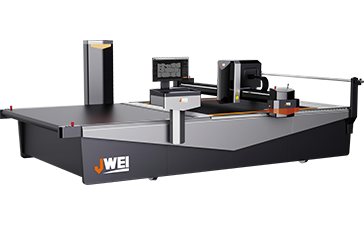
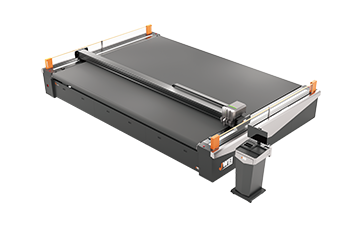
A flatbed cutting machine utilizes a large, flat work surface combined with an advanced X-Y cutting head to execute operations such as cutting, creasing, slotting, embossing, and drawing. Unlike traditional die-cutting presses that require expensive physical molds, digital flatbed cutters operate directly from vector files.
They handle a vast array of flexible, semi-rigid, and rigid materials with ease, including:
-
Paper, vinyl, and self-adhesive stickers
-
Cardboard, corrugated board, and gray board
-
KT boards, PVC foam boards, and acrylic
-
Textiles, garments, and rubber materials
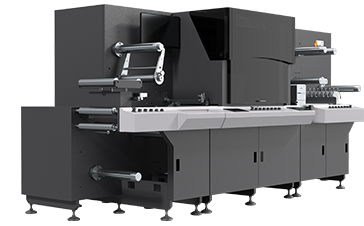
For businesses seeking heavy-duty industrial capability, exploring advanced solutions like the JWEI SG Series Digital Cutting Machine provides reliable support for continuous, multi-process manufacturing.
2. Key Characteristics and Technological Advantages
Modern digital flatbed cutting systems have evolved far beyond basic trimming tools. Here are the defining characteristics that set industry-leading machines apart:
① Multi-Functional Tool Heads & Modular Design
A true flatbed cutter is a multi-tasker. Equipped with a modular tool head, operators can quickly switch between electric oscillating knives, drag knives, rotary tools, V-cut tools, and high-power routers. This allows a single machine to perform full-cutting, half-kiss-cutting, creasing, and milling in one seamless workflow.
② Extreme Precision and High-Speed Performance
Equipped with advanced servo drive systems, linear guide rails, and intelligent motion control algorithms, top-tier cutting tables deliver exceptional repeat precision (often within <0.05 mm). For instance, cutting ultra-fine details—such as complex 1mm micro-circles—is executed flawlessly.
-
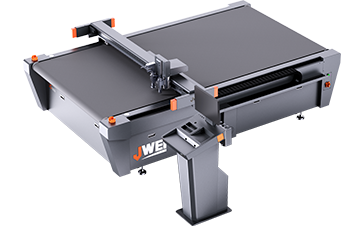
For ultra-high-speed demands and maximum output, high-end systems utilizing advanced drive technology (such as the JWEI SL Series Flatbed Cutter) can achieve breathtaking operating speeds without compromising accuracy.
③ Intelligent Automation & Automatic Tool Change (ATC)
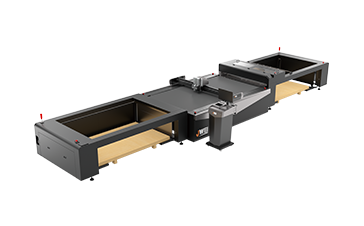
To minimize manual downtime, modern flatbed cutters feature Automatic Tool Change (ATC) systems. The machine can independently swap between different blades and milling bits depending on the job requirements. Coupled with automated loading, rear-scanning vision systems, and AI-assisted workflows, these systems enable unattended 24/7 production cycles.
④ Powerful Vacuum Zone Absorption
Holding large or small substrates securely is critical during high-speed routing and cutting. Flatbed cutters incorporate zoned vacuum systems with optimized airflow design, concentrating immense hold-down force to prevent material shifting and guarantee clean, square edges.

A flatbed cutting machine is much more than a simple trimmer—it is a versatile, intelligent production ecosystem that replaces costly physical dies, accelerates turnaround times, and opens up new creative possibilities for signs, packaging, and graphics display manufacturers.
Ready to upgrade your production line? Check out the full range of heavy-duty solutions on the JWEI Official Website to find the ideal cutting system tailored to your workshop.